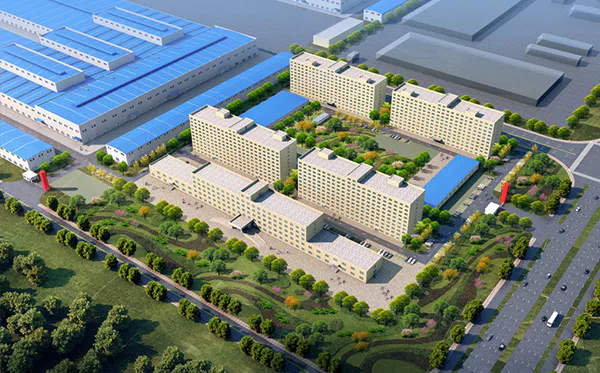


Jiyang Huihe Leisure Park

Construction engineering and building engineering tells you: the force-bearing characteristics of a frame-shear wall structure are a new force-bearing form composed of two different lateral force-resisting structures, namely the frame and the shear wall structure. Therefore, its frame differs from the frame in a pure frame structure, and the shear wall in a frame-shear wall structure also differs from the shear wall in a shear wall structure. This is because, in the lower floors, the displacement of the shear wall is relatively small, and it pulls the frame to deform according to a bending-type curve, with the shear wall bearing most of the horizontal force. In the upper floors, the opposite occurs: the displacement of the shear wall becomes increasingly large, showing a tendency to move outward, while the frame shows a tendency to move inward. The frame pulls the shear wall to deform according to a shear-type curve. In addition to bearing the horizontal force generated by external loads, the frame also bears an additional horizontal force that pulls the shear wall back. The shear wall not only fails to bear the horizontal force generated by the load, but also bears negative shear because it imposes an additional horizontal force on the frame. Therefore, even if the floor shear generated by external loads in the upper floors is very small, considerable shear still appears in the frame.


Construction engineering and building engineering tells you: the force-bearing characteristics of a frame-shear wall structure are a new force-bearing form composed of two different lateral force-resisting structures, namely the frame and the shear wall structure. Therefore, its frame differs from the frame in a pure frame structure, and the shear wall in a frame-shear wall structure also differs from the shear wall in a shear wall structure. This is because, in the lower floors, the displacement of the shear wall is relatively small, and it pulls the frame to deform according to a bending-type curve, with the shear wall bearing most of the horizontal force. In the upper floors, the opposite occurs: the displacement of the shear wall becomes increasingly large, showing a tendency to move outward, while the frame shows a tendency to move inward. The frame pulls the shear wall to deform according to a shear-type curve. In addition to bearing the horizontal force generated by external loads, the frame also bears an additional horizontal force that pulls the shear wall back. The shear wall not only fails to bear the horizontal force generated by the load, but also bears negative shear because it imposes an additional horizontal force on the frame. Therefore, even if the floor shear generated by external loads in the upper floors is very small, considerable shear still appears in the frame.
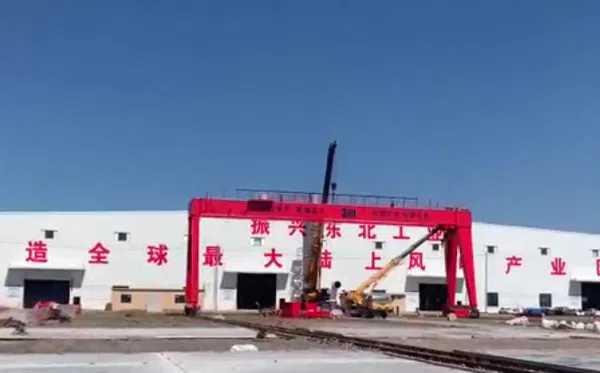
First-Class Construction Engineering Company